05. Januar 2018 · Kommentare deaktiviert für „Jerada’s inhabitants to decide this afternoon about suspending or continuing the marches“ · Kategorien: Marokko · Tags:

Yabiladi | 04.01.2018

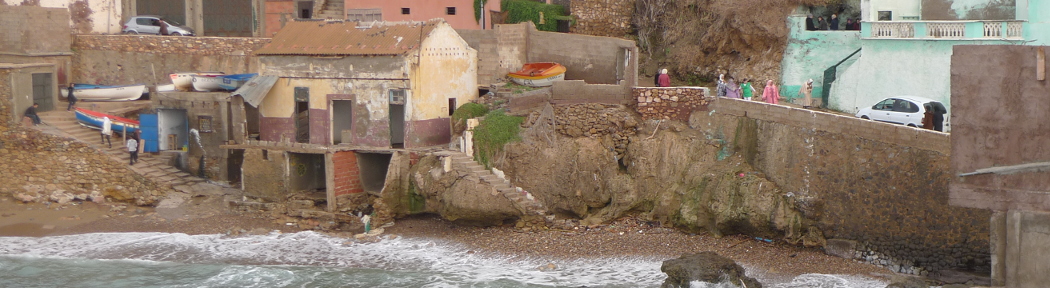
In a few hours, the inhabitants of Jerada will have to decide whether they want to continue or stop rallying for their demands. On Wednesday, the Minister of Energy and Mines asked the Hirak representatives in the city to turn the page of protests in exchange for a number of promises.

Mohammed Jaabouk

Aziz Rabbah, Minister of Energy, Mines and Sustainable Development and the wali of the Oriental region, governor of Oujda-Angad prefecture Mouad El Jamai held on Wednesday, 3rd of January, a meeting with representatives of the province’s youth in order to examine the demands and expectations of the local population.
Weiterlesen »

05. Januar 2018 · Kommentare deaktiviert für „Ils disent avoir vécu l’enfer en Espagne: Une quarantaine de harraga débarqués au port d’Oran“ · Kategorien: Algerien, Spanien · Tags:

40 abgeschobene Harragas berichten in Oran ueber Misshandlungen in Spanien.

Le Quotidien d’Oran | 04.01.2018

par Houari Barti

Un groupe de harraga algériens composé de 40 personnes a été débarqué, hier matin, au port d’Oran en provenance d’Alicante, dans le cadre d’une procédure d’expulsion lancée par les autorités espagnoles qui devra, à terme, concerner plusieurs centaines de migrants clandestins algériens. Les quarante ressortissants algériens rapatriés ont été entendus par les services de la police des frontières du port d’Oran avant que leurs dossiers ne soient transférés aux autorités judiciaires pour immigration clandestine.

Weiterlesen »

05. Januar 2018 · Kommentare deaktiviert für Wie verändert sich die Migrationspolitik der Türkei? · Kategorien: Lesetipps, Türkei · Tags: ,

Mediendienst Integration | 05.01.2018

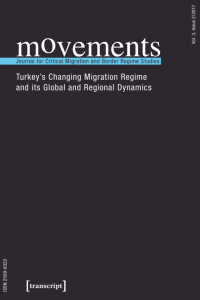
In der Türkei leben im weltweiten Vergleich die meisten Flüchtlinge. Seit dem EU-Türkei-Abkommen spielt das Land auch in der Migrationspolitik der Europäischen Union eine wichtige Rolle. Gleichzeitig ändert sich die politische Situation in der Türkei rapide. Die aktuelle Ausgabe der englischsprachigen Zeitschrift „Movements“ widmet sich der Migrationspolitik der Türkei und ihren regionalen und globalen Auswirkungen. Darin untersuchen die Soziologinnen Elif Sarı und Cemile Dinçer den Umgang der türkischen Behörden mit Asylsuchenden. Außerdem analysieren die Migrationsforscherinnen Gerda Heck und Sabine Hess die Folgen des EU-Türkei-Abkommens für die türkische Asyl- und Grenzpolitik.

[Download]

04. Januar 2018 · Kommentare deaktiviert für „Flüchtlingslager auf Lesbos: Hier scheitert Europa“ · Kategorien: Griechenland · Tags:

Zeit Online | 03.01.2017

Mehr als 5.000 Menschen harren aus im Flüchtlingslager Moria auf Lesbos. Einige von ihnen glauben, die schlimmen Zustände seien politisch gewollt. Das nehmen sie nicht länger hin.

Von Raphael Thelen

Fünf Meter überragt das Tor die Zelte und Container des Flüchtlingslagers Moria. Stacheldraht windet sich an seiner Oberkante. Zäune, Betonwände, Stahlgitter schließen rechts und links an. Durch eine schmale Tür laufen Menschen rein und raus. Sie gehen ohne Eile, Zeit hat hier jeder im Überfluss. Das Lager können sie tagsüber verlassen, auf der Insel Lesbos aber sind sie gefangen.

In den Augen der Europäischen Union ist Lesbos ein Brennpunkt der Flüchtlingskrise, weil hier seit 2015 besonders viele Menschen auf der Suche nach Schutz in Europa ankamen. Zwei Beschlüsse sollten die Lage entschärfen. Die EU unterschrieb einen Deal mit der Türkei, um weitere Flüchtlinge davon abzuhalten, europäischen Boden zu erreichen. Aber noch immer kommen zwischen 2.000 und 5.000 pro Monat in Griechenland an, die Bearbeitung der Anträge dauert oft Monate. Tausende sitzen fest.

Weiterlesen »

04. Januar 2018 · Kommentare deaktiviert für „Refugees in Lebanon: Geopolitics and Unmet Human Needs“ · Kategorien: Libanon, Syrien · Tags:

CMS | 03.01.2017

Omar al-Muqdad – a prominent journalist, documentary filmmaker, and former Syrian refugee – writes a bi-monthly blog for CMS titled, “Dispatches from the Global Crisis in Refugee Protection.” This series covers the Syrian Civil War, the experiences of Syria’s immense and far-flung refugee population, the global crisis in refugee protection, religious persecution, and US refugee and immigration policies. Mr. al-Muqdad’s work has been featured by the BBC, CNN, and in many other media outlets. CMS will be featuring this work in its weekly Migration Update and on its website.

It is almost impossible to debate refugee issues without becoming immersed in geopolitics. Syrian refugees in Lebanon are a case in point. The massive influx of Syrians has tested Lebanon in many ways. Many Lebanese officials and politicians have expressed their opposition to the presence of the refugees for economic and political reasons. Syrian refugees in Lebanon, in turn, have faced some of the hardest conditions in the Syrian diaspora.

Weiterlesen »

04. Januar 2018 · Kommentare deaktiviert für „Invisible Labour: Women’s labour migration to Libya.“ · Kategorien: Libyen · Tags: ,

reliefweb | 03.01.2017

Introduction

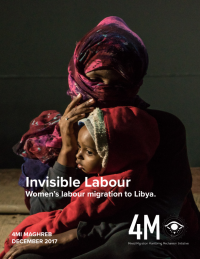
This briefing paper, based on data collected through the Mixed Migration Monitoring Mechanism initiative (4Mi) in Libya from May to December 2017 and additional interviews with migrants and key informants, explores the Libyan work environment for migrant women. The paper aims at providing a better picture of the specific factors that affect the working context and migration trajectories of migrant women in Libya.

Among the scarce literature on women’s migration to Libya, little or no attention is paid to the independent economic motivations behind their journeys or their role in the workforce. While the common narrative on female migration to and through Libya generally portrays women as victims of trafficking and forced migrants to follow their husband or family, data collected by 4Mi shows that women’s role as independent economic actor plays a significant push factor in their migration. Whether motivated to transit Libya or to settle and work there, many women are inclined to seek employment, and independently navigate their status and opportunities in the new country.

Weiterlesen »

03. Januar 2018 · Kommentare deaktiviert für „Wir werden behindert“ · Kategorien: Mittelmeer · Tags: ,

Süddeutsche Zeitung | 02.01.2017

Tausende Flüchtlinge hat „Sea-Watch“ im Mittelmeer schon gerettet. Frank Dörner über den Kampf gegen das Ertrinken und die Politik von EU und Libyen.

Interview von Thomas Hahn

Herr Dörner, unterwandert Sea-Watch die Bemühungen der EU, Flüchtlinge von Europa fernzuhalten?

Frank Dörner: Wir unterwandern gar nichts. Wir leisten Seenotrettung. Wir fühlen uns verpflichtet, dort einzuspringen, wo die Behörden nichts machen – wahrscheinlich, um Flüchtlinge abzuschrecken.

Sie sind aber auch nicht zimperlich mit Ihren Vorwürfen gegen die EU.

Wir setzen uns mit den politischen Rahmenbedingungen auseinander. Und wir sagen unsere Meinung dazu.

Weiterlesen »

03. Januar 2018 · Kommentare deaktiviert für „Tunesien: Dann wenigstens ehrenhaft ertrinken“ · Kategorien: Tunesien · Tags:

Zeit Online | 02.01.2018

Zu alte Politiker, korrupte Behörden: Sieben Jahre nach der Revolution ist Tunesien ein Ort der Agonie. Viele Junge hält nichts im Land. Nicht mal die Angst vor dem Tod.

Von Sarah Mersch, Tunis

Youssef knetet seine Finger, zögert ein bisschen, bevor er antwortet. Natürlich habe er schon daran gedacht, wegzugehen. „Ich habe ja nicht viel zu verlieren“, meint er. Ein Satz, der so oder ähnlich von vielen jungen Tunesiern fällt, wenn es ums Auswandern geht. Oft bedeutet das: mit dem Boot übers Mittelmeer in der Hoffnung, nach Lampedusa zu gelangen oder zumindest in europäischen Gewässern aufgegriffen zu werden, um dann in Italien oder Frankreich Arbeit zu finden.

Weiterlesen »

03. Januar 2018 · Kommentare deaktiviert für „Refugees in Greece reflect on another year of waiting“ · Kategorien: Europa, Griechenland, Schengen Migration, Türkei · Tags: ,

Al Jazeera | 02.01.2018

by Patrick Strickland

Athens, Greece – Closed borders, racism, xenophobic attacks, rejected asylum applications, poverty and lengthy waits.

These experiences are what many refugees and migrants in Greece say defined 2017 for them.

More than 60,000 refugees and migrants are trapped in Greece due to sealed borders across the so-called Balkan route and the March 2016 deal between Turkey and the European Union, which was sculpted to stem the flow of displaced people to Europe.

That deal has been roundly condemned by rights groups and watchdogs.

Weiterlesen »

03. Januar 2018 · Kommentare deaktiviert für „Israel to tell African migrants: leave or face indefinite imprisonment“ · Kategorien: Israel · Tags:

The Guardian | 02.01.2017

Rights groups condemn plan to return those who entered Israel illegally and who do not have a refugee application pending

Peter Beaumont

Israel is set to inform thousands of Africans who entered the country illegally that they have three months to leave or face indefinite imprisonment.

The decision, opposed by rights groups, follows months of speculation over the future of both the migrants and the Holot detention facility in the Negev desert, which the government says it intends to close.

There has been often heated debate about the presence of around 40,000 African migrants in Israel, many from Eritrea and Sudan.

Weiterlesen »