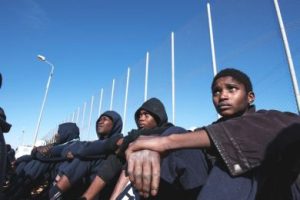
27. Februar 2017 · Kommentare deaktiviert für „EU-Parlamentspräsident Tajani fordert Auffanglager in Libyen“ · Kategorien: Afrika, Europa, Libyen · Tags: ,

Zeit Online | 27.02.2017

Geht es nach Antonio Tajani, soll sich die EU für menschenwürdige Auffanglager in Libyen einsetzen. Notwendig sei zudem ein Marshallplan für Afrika.

EU-Parlamentspräsident Antonio Tajani hat sich für Auffanglager in Libyen für Flüchtlinge ausgesprochen. Die EU solle zu diesem Zweck ein Abkommen mit dem nordafrikanischen Land vereinbaren, sagte Tajani den Zeitungen der Funke Mediengruppe. Die Auffanglager müssten aber eine gewisse Grundausstattung wie eine ausreichende Zahl an Ärzten und genügend Medikamente haben. Man müsse Mittel zur Verfügung stellen, dass die Menschen dort ein paar Monate oder Jahre in Würde leben können. „Auffanglager dürfen keine Konzentrationslager werden.“

Um die Migration nach Europa einzudämmen, forderte der Parlamentspräsident zudem einen Marshallplan für Afrika. „Entweder wir handeln jetzt oder es werden in den kommenden Jahren 20 Millionen Afrikaner nach Europa strömen.“ Es gehe darum, eine Ausbildungsinitiative zu starten, eine moderne Landwirtschaft zu entwickeln und Gemeinschaftsunternehmen mit zwei oder mehr Partnern, sogenannte Joint Ventures, zu gründen.

Weiterlesen »

27. Februar 2017 · Kommentare deaktiviert für „Rettungseinsätze vor Libyen müssen auf den Prüfstand“ · Kategorien: Balkanroute, Deutschland, Europa, Libyen, Mittelmeerroute · Tags: , ,

Welt | 27.02.2017

Frontex-Direktor Leggeri kritisiert die Aktionen von Hilfsorganisationen vor Afrika. Das Geschäft der Schleuser dürfe nicht befeuert werden – zumal wieder mehr Flüchtlinge als 2016 erwartet werden.

Von Manuel Bewarder, Lisa Walter

Seit vor einem Jahr entlang der Balkanroute die Grenzen strenger kontrolliert werden, kommen sehr viel weniger Migranten über diesen Weg nach Mitteleuropa. Das europäische Versprechen einer sicheren Außengrenze ist dennoch mitnichten erfüllt. Im vergangenen Jahr kamen rund 180.000 Migranten aus Nordafrika nach Italien. Etwa 5000 starben dabei. Im Interview erklärt der Direktor der EU-Grenzschutzagentur Frontex, dass Europa seine Grenze sichern und gleichzeitig mehr legale Möglichkeiten zur Einreise schaffen soll. Der 48-jährige Franzose Fabrice Leggeri ist seit 2015 Chef der Agentur mit Sitz in Warschau.

Die Welt: Der Frühling steht kurz bevor, bald werden wieder viele die Fahrt übers Mittelmeer wagen. Mit wie vielen Migranten aus Libyen rechnen Sie in diesem Jahr?

Frabrice Leggeri: Prognosen sind immer schwer. Seit Beginn des Jahres haben trotz des schlechten Wetters bereits mehr als 4500 Migranten die Überfahrt nach Italien gewagt. 2016 ist die Zahl der irregulären Migranten aus Libyen um 20 Prozent gestiegen. Hunderttausende Migranten leben derzeit in Libyen. Aus Westafrika reisen zudem weiterhin viele in die libyschen Küstenorte. Wir müssen in diesem Jahr bereit sein, unter hohem Druck zu stehen. Man sollte damit rechnen, dass 2017 mehr kommen als 2016.

Weiterlesen »

26. Februar 2017 · Kommentare deaktiviert für „Palermo: dalla Siem Pilot sbarcano mille migranti, anche un neonato“ – Fotos · Kategorien: Italien, Libyen · Tags: , , ,

La Repubblica | 25.02.2017
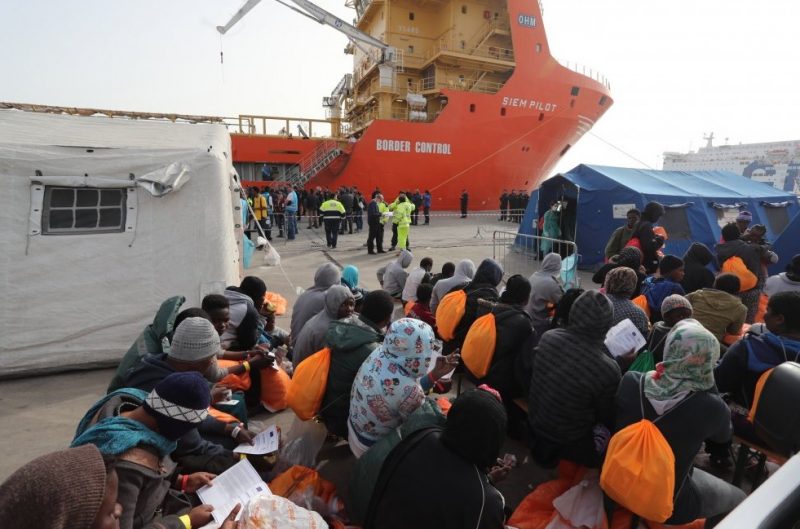
Maxi sbarco di migranti nel porto di Palermo, dove è giunta la nave norvegese Siem Pilot con a bordo 993 profughi. Tra di loro anche 100 donne e 136 minori, soccorsi nel canale di Sicilia. Le prime cure sono state prestate ad un neonato, dato alla luce ieri sera a bordo della nave. Il piccolo sta bene e pesa circa 3 chili. Si chiama Destiny Seabear, come le due scialuppe di salvataggio impegnate nel soccorso della mamma. A coordinare la macchina dell’accoglienza la Prefettura, con personale del Comune, medici dell’Asp, personale della Caritas e della Croce Rossa. (Foto Igor Peyx)

:::::

Il Fatto Quotidiano | 25.05.2017

Nel porto del capoluogo siciliano sono stati trasportati da una nave norvegese 657 uomini, 100 donne e 136 minori. „Il bimbo sta bene, pesa 2,2 chili e si trova nell’ospedale Ingrassia“ ha detto il direttore dell’Azienda sanitaria provinciale, Antonio Candela. Il bambino è stato chiamato Seabear, orso di mare, come una delle due scialuppe di salvataggio utilizzate nell’operazione. Ministro Lorenzin va a trovare mamma e figlio

Sono 993 i migranti arrivati questa mattina nel porto di Palermo. Una nave norvegese, Siem Pilot, ha portato in salvo 657 uomini, 100 donne e 136 minori dal canale di Sicilia al capoluogo siciliano. C’è anche un bambino, nato a bordo della nave. “Il bimbo sta bene, pesa 2,2 chili e si trova nell’ospedale Ingrassia di Palermo dove ha ricevuto le prime cure – spiega il direttore dell’Asp di Palermo, Antonio Candela – Per tutti i migranti le condizioni di salute sono buone, ci sono stati solo sette ricoveri per patologie minori”.

Il piccolo e la madre sono in buone condizioni di salute. Il bambino nato da poche ore è stato chiamato Seabear, orso di mare, come una delle due scialuppe di salvataggio dell’imbarcazione. La task-force coordinata dalla Prefettura palermitana sta provvedendo ad accogliere e prendere in carico i migranti. Sul molo Puntone ci sono anche i finanzieri e gli agenti della Squadra Mobile per individuare eventuali scafisti. “I flussi di migranti stanno aumentando anche a causa delle instabilità sempre più forti nell’aria mediorientale e africana. Cosa che comporta una assunzione di responsabilità”. Lo ha detto ai cronisti Beatrice Lorenzin che ha fatto visita alla mamma e al piccolo nato ieri. “L’Italia sta facendo la sua parte ma non può farla da sola – ha aggiunto il ministro della Salute – Serve uno sforzo europeo e nel frattempo bisogna fare in modo che le persone non muoiano”.

Nel porto di Reggio Calabria è arrivato invece il rimorchiatore Golfo Azzurro con a bordo 324 migranti prevalentemente proveniente da paesi sub-sahariani. Il gruppo è composto da 270 uomini, 16 donne, due bambini piccoli e 36 minori non accompagnati. Ad attenderli il dispositivo di accoglienza coordinato dalla Prefettura di Reggio Calabria. Prima della fotosegnalazione e dell’identificazione ad opera del personale dell’Ufficio immigrazione della Questura, i migranti sono stati visitati dai medici del servizio “medicina di frontiere” e del 118. Riscontrati numerosi casi di scabbia, immediatamente trattati nell’unità mobile di decontaminazione allestita dalla Protezione civile, disturbi gastroenterici. Alcuni dei migranti, inoltre, avevano ferite agli arti inferiori provocate dalle concitate operazioni di trasbordo da un natante all’altro. Due donne risultano in stato di gravidanza. Le loro condizioni sono buone.
24. Februar 2017 · Kommentare deaktiviert für „Africa, la carestia è un disastro per Ue“ · Kategorien: Afrika, Europa, Libyen · Tags: , ,

Occhi della Guerra | 24.02.2017

Le Nazioni Unite hanno lanciato l’allarme carestia per diversi Paesi dell’Africa sub-sahariana. Tre agenzie dell’Onu insieme al governo del Sud Sudan hanno dichiarato la presenza di carestia in due zone del Paese. Come riportato da Al Jazeera ci sono attualmente 100mila persone direttamente colpite da questa crisi alimentare. Sarebbero invece ben 5.5 milioni i sud sudanesi, il 50% della popolazione, a rischiare una condizione di insicurezza alimentare nei prossimi mesi. Le prime vittime di questa catastrofe alimentare sono ovviamente le fasce più deboli della popolazione, come i bambini. Sono 250mila quelli che rischiano la vita a causa della malnutrizione. La condizione del Sud Sudan appare dunque più che allarmante. Dati simili non si vedevano infatti dal 1998, uno degli anni più violenti della guerra civile.

Weiterlesen »

23. Februar 2017 · Kommentare deaktiviert für „African migrants died of asphyxia inside shipping container en route to beach“ · Kategorien: Libyen · Tags:

The Libya Observer | 23.02.2017

The tragedy took place one day after migrants drowned off Al-Motrad town in western Libya

A dozen migrants died on Tuesday and others were hospitalized in the city of Al-Khums, 115 km to the east of Tripoli, due to suffocation and crush after being locked inside a shipping container, in a new human tragedy in Libya.

A local source said a human smuggler stuffed a shipping container with more than 50 African migrants in order to take them to a beach where they were expected to commence their sea journey to Europe.

Weiterlesen »

23. Februar 2017 · Kommentare deaktiviert für „Garian, viaggio al termine dell’umanità“ · Kategorien: Libyen · Tags:

L’Espresso | 22.02.2017

di ALESSIO ROMENZI per L’UNICEF

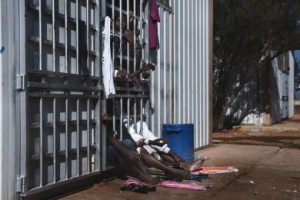
Nel centro-lager di Garian

Nel centro di detenzione di Garian in Libia

Siamo entrati in uno dei 30 centri allestiti in Libia per rinchiudere i clandestini. Gabbie di lamiera in cui vivono 1.400 migranti trattati come animali. «Fateci uscire di qui, stiamo morendo»

«Se non mi pagano, uno di questi giorni smetto di fare il mio lavoro. Apro i lucchetti, apro le grate e i cancelli e faccio uscire tutti i migranti». Ibrahim ha trent’anni, è una guardia carceraria. Lavora per il ministero dell’Interno libico, nella sezione anti immigrazione clandestina. Il suo compito è sorvegliare uno dei centri di detenzione affollati di migranti che per la legge libica sono considerati clandestini. Ibrahim non riceve lo stipendio da quattordici mesi, tre dei suoi cinque fratelli sono rimasti invalidi durante la recente offensiva per liberare Sirte dall’occupazione dell’Isis ma il ministero della Difesa non ha soldi per risarcire le famiglie dei danni subiti in guerra e lui deve prendersi cura di tutti. «Non abbiamo più soldi, come pretendono che io faccia bene il mio lavoro se non mi pagano? Questa gente è solo un problema per noi, un giorno di questi li faccio uscire così tornano nelle mani dei trafficanti, che se ne occupino loro» dice, mentre apre uno dei lucchetti del cancello all’entrata dell’edificio.

Weiterlesen »

22. Februar 2017 · Kommentare deaktiviert für The European Border and Coast Guard: Addressing migration and asylum challenges in the Mediterranean? · Kategorien: Europa, Hintergrund, Libyen · Tags: , , ,

CEPS | 01.02.2017

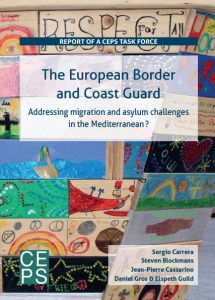
The humanitarian refugee crisis in Europe of 2015-2016 has revealed several unfinished elements and shortcomings in current EU policies and approaches to migration, asylum and borders, particularly those applying in southern EU maritime borders and frontier states in the Mediterranean. This book provides a critical examination of the main issues and lessons learned from this crisis and gives an up-to-date assessment of the main policy, legal and institutional responses that have been put in place at the EU level. It further examines the extent to which these responses can be expected to work under the current system of sharing responsibilities among EU member states in assessing asylum applications and ensuring a consistent implementation of EU legal standards that comply with the rule of law and fundamental rights.

Weiterlesen »

22. Februar 2017 · Kommentare deaktiviert für „Bodies of 74 Migrants Wash Up on Libyan Coast“ · Kategorien: Libyen · Tags: ,

New York Times | 21.02.2017

By DECLAN WALSH

CAIRO — The bodies of 74 migrants were recovered from a beach near the town of Zawiya in western Libya, rescuers said on Tuesday, an ominous sign before the high season for Mediterranean crossings.

The bodies were believed to have come from a shipwrecked inflatable raft that was found on the same stretch of shore, said Mohammed Almosrti, a spokesman for the Libyan Red Crescent. Some of the bodies were found inside the stricken raft.

Weiterlesen »

22. Februar 2017 · Kommentare deaktiviert für Wintershall in Libyen · Kategorien: Deutschland, Libyen · Tags:

Wintershall

Bereits seit 1958 ist Wintershall in Libyen in der Exploration und Produktion von Erdöl aktiv. Nach Investitionen von mehr als zwei Milliarden US-Dollar und über 150 abgeteuften Bohrungen ist die BASF-Tochter dort einer der größten Ölproduzenten. Vor dem Ausbruch der Revolution im Februar 2011 hatte Wintershall in Libyen bis zu 100.000 Barrel Öl pro Tag gefördert.

Produktion aus acht Onshore-Feldern

Heute ist Wintershall im östlichen Sirte-Becken, rund 1.000 Kilometer südöstlich der Hauptstadt Tripolis gelegen, Betriebsführer von acht Onshore-Ölfeldern in den Konzessionen C 96 und C 97. An diesen Aktivitäten ist auch Gazprom mit 49 Prozent beteiligt. Unser größtes im Land gefördertes Vorkommen ist das Feld As-Sarah nahe der etwa 4.000 Einwohner zählenden Oase Jakhira. Die Onshore-Erdölproduktion in Libyen unterliegt aufgrund von externen Einflüssen auf die Exportinfrastruktur noch immer temporären Veränderungen.

Weiterlesen »

22. Februar 2017 · Kommentare deaktiviert für EU-Flüchtlingslager in Nordafrika? · Kategorien: Deutschland, Europa, Italien, Libyen · Tags:

[EN] [FR]

The desert front – EU refugee camps in North Africa?

by Helmut Dietrich

This article first appeared in the German journal Konkret (issue 12/2004) and traces the implementation of the creation of migrant and refugee prisons, so called off-shore centres, in northern Africa, as part of the EU’s globalisation of migration control. With the example of recent developments in EU and particularly German and Italian relations with Libya, the author highlights the relationship between military, economic and migration control agreements between the EU and third countries and documents the devastating effect these have for migrants and refugees caught up in the militarisation of the EU’s external borders.

„How can you forget the concentration camps built by Italian colonists in Libya into which they deported your great family – the Obeidats? Why don’t you have the self-confidence, why don’t you refuse?“ the Libyan intellectual Abi Elkafi recently asked the Libyan ambassador in Rome, who had initiated the country’s orientation towards the West. „The reason I write to you are the atrocious new concentration camps set up on Libya’s soil on behalf of the Berlusconi government,“ Elkafi wrote in an open letter.

In June 1930, Marshal Petro Badoglio, the Italian governor of Libya, ordered the internment of large parts of the then 700,000 inhabitants of Libya. Within two years, more than 100,000 people had died of hunger and disease in the desert concentration camps. Around the same time, Badoglio had fortified the 300 kilometre long Libyan/Egyptian border line with barbed wire fence. This is how the Italian colonists destroyed the Libyan resistance. For years, they had not succeeded – neither by bombing villages and oases, nor by using poison gas. The current Italian government laughs at any demand for compensation, Abi Elkafi writes.

Weiterlesen »