Quelle: Bild
Von JULIAN REICHELT
Das eigentlich so sorglose, sagenhaft reiche Europa hat sich schon immer schwer getan, seine Geschichte zu erzählen. Wer sind wir eigentlich? Die USA haben den Mythos vom „American Dream“, vom Tellerwäscher zum Millionär. Europa hat den Mythos von der Verordnung zur Bananenkrümmung und Brüssel, das nicht mal jene überzeugend erklären können, die von dort aus Politik machen.
Nun gibt uns die Flüchtlingskrise die Chance, unsere Worte von Werten und offenen Grenzen mit Inhalt zu füllen.
Wir reagieren mit Stacheldraht und Verrat an unseren Werten.
Quelle: Carnegie
The flow of smuggled goods and people along Libya’s southern border illustrates the lawlessness and insecurity across that stretch of land.
by Tom Westcott
Libya’s Saharan highway of smuggling stretches 600 kilometers (400 miles) from the Libya–Niger border to the town of Sabha, through the heart of Libya’s south. Known as Qaddafi’s Road and once heavily-policed under the former dictator’s border forces, since Libya’s 2011 uprising it has become a route where smugglers operate with impunity. Libyan security forces from the Tebu tribe—a semi-nomadic Saharan people living in Libya, Chad, and Niger—have tried to control the area since Muammar al-Qaddafi’s soldiers abandoned their posts in 2011, but, unpaid and poorly-trained, their scope is limited.
Quelle: NZZ | Bildstrecke
In der Flüchtlingskrise ist die Koordination an der Balkanroute zusammengebrochen. Staaten und internationale Organisationen haben keinen Überblick mehr.
von Andreas Ernst, Belgrad
Seit Sonntagmorgen ist die mazedonische Grenze für afghanische Flüchtlinge gesperrt. Jetzt stauen sich mehrere tausend Personen in Nordgriechenland vor der Grenze und warten auf die Weiterreise in Richtung Norden. Von Mazedonien eingelassen werden nur Syrer und Iraker, die über gültige Reisepapiere verfügen und bereits in Griechenland registriert wurden.
Quelle: Medium
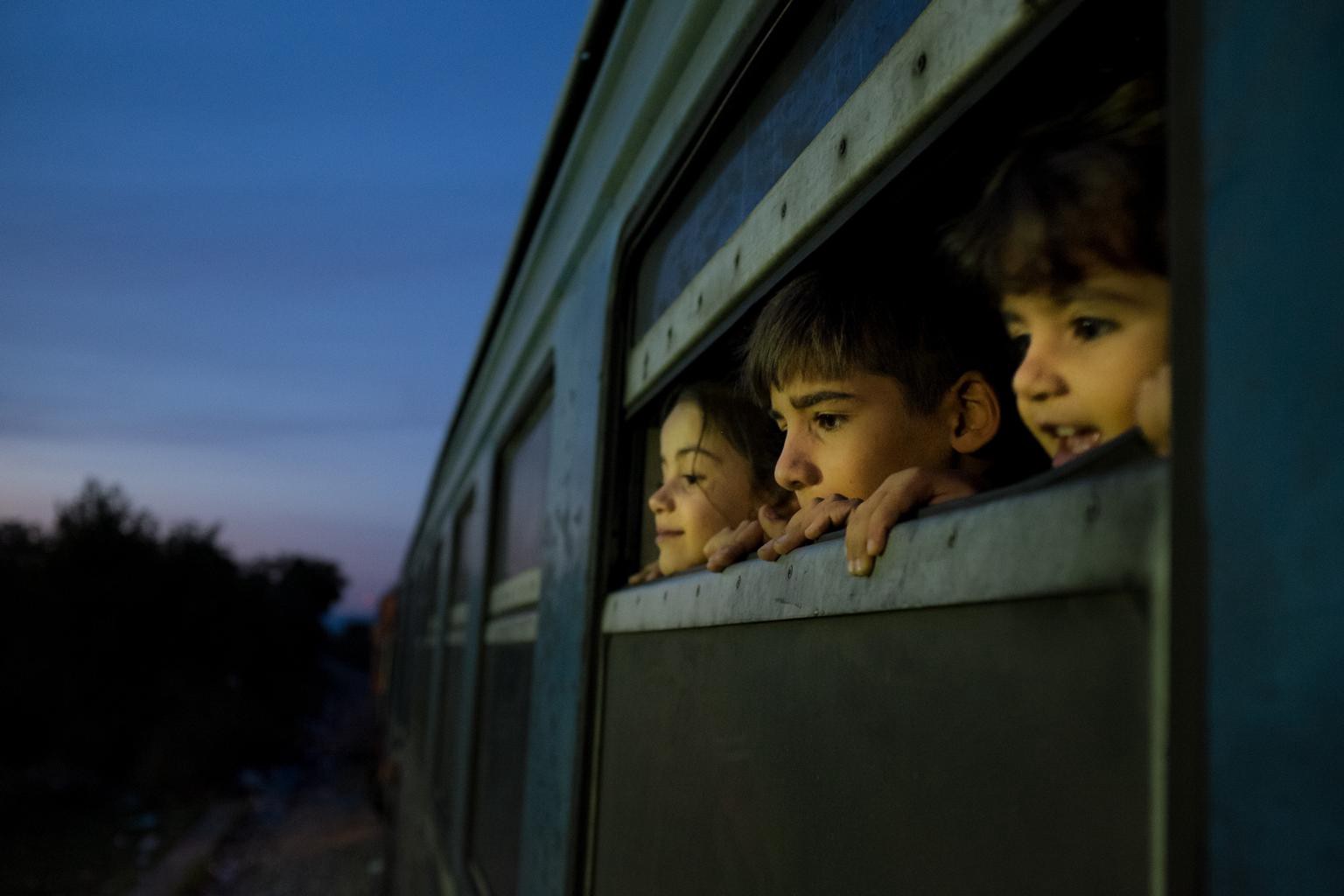
Seven decades after World War II, refugees fleeing conflict continue to seek safety beyond their homelands.
UNICEF’s humanitarian work began in the aftermath of World War II — and by the mid 1950’s millions of children were receiving aid. Seventy years later, refugees and migrants are entering Europe at levels not seen since World War II. Nearly 1 in 4 are children and the number of unaccompanied minors seeking asylum is growing. […]
Quelle: nrc.nl
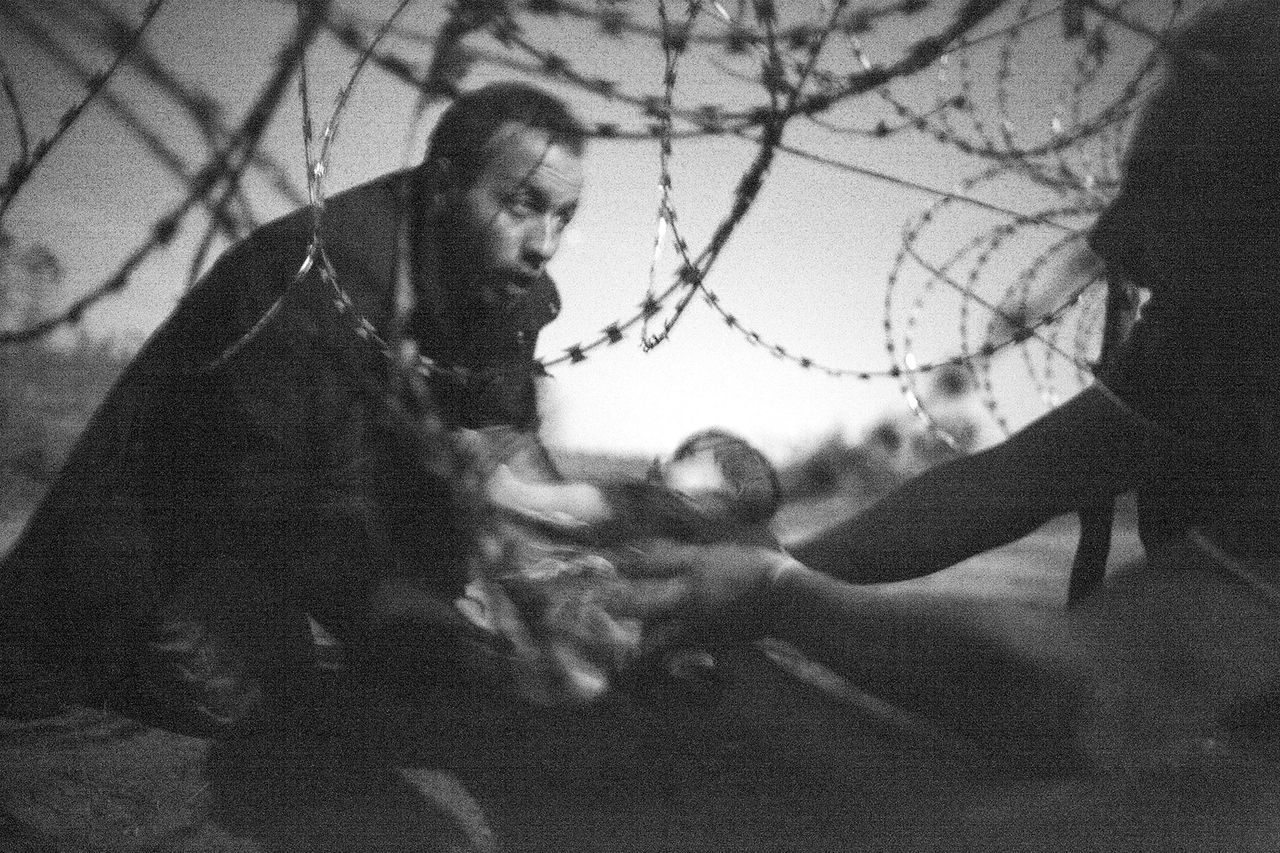
De Australische freelance fotograaf Warren Richardson is de winnaar van World Press Photo 2015. Hij wint de prestigieuze competitie met een foto van een aantal Syrische vluchtelingen die rond drie uur ‘s nachts de grens overgaan tussen Servië en Hongarije. Dat maakte de organisatie achter de nieuwsfotowedstrijd donderdag bekend.
Wo die Flüchtlingskinder schlafen 4/5
Sechs Jahre zählt Ahmed – eines mehr als der kleine Sohn von Magnus Wennman. «Ich weiss, wie wichtig es für meinen Buben ist, dass er sich sicher fühlen darf, wenn ich ihn abends zu Bett bringe», sagt der schwedische Fotograf. Und er weiss, dass es dieses Gefühl für Ahmed nicht mehr gibt. Der Vater des Knaben ist in Deir ez-Zur, dem syrischen Heimatort der Familie, getötet worden; bald darauf machte sich die Familie auf den Weg in Richtung Europa, wo ihr Wennman in Horgos an der serbisch-ungarischen Grenze begegnete. «Er ist tapfer», sagt der Onkel, der Ahmed unter seine Fittiche genommen hat. «Nur abends, da weint er manchmal.» […]
Quelle: La Repubblica Palermo
Nei giorni scorsi sono arrivati sull’isola di Lampedusa. Dopo la prima trafila identificativa nel centro d’accoglienza, sono stati accompagnati ad Agrigento dove hanno ricevuto il „foglio di respingimento“. Per lo Stato italiano, dunque, non hanno il diritto di ricevere protezione. Così come prevedono le nuove norme entrate in vigore con l’istituzione degli „Hotspot“, sono stati accompagnati alla stazione dei treni da dove – come intimato nel foglio di respingimento – avrebbero dovuto raggiungere l’aeroporto più vicino e tornare nel proprio paese d’origine. Ma contrari a questa scelta, hanno deciso di protestare dinnanzi la Questura di Agrigento e chiedere ancora una volta protezione. Sono una cinquantina di persone, tutte provenienti dall’Africa subsahariana. Hanno chiesto di parlare con i funzionari della Questura che però poco hanno potuto dire ai migranti: una volta notificato il „foglio di respingimento“ il migrante deve, infatti, abbandonare il territorio nazionale. E intanto la Caritas di Agrigento continua a lavorare per non lasciarli all’addiaccio.
(di Silvio Schembri – foto di Sandro Catanese)
Quelle: The Guardian
As part of our 2015 charity appeal coverage, we asked the Guardian’s picture desk to choose some of the most powerful and moving photographs of this year’s refugee crisis in Europe. This selection depicts the plight of people fleeing their homes in search of a safer life in the west
Quelle: Spiegel Online
Eine Multimedia-Reportage